
RTI engineers and academic colleagues have been actively engaged for over a decade in development of organ preservation systems and sensors to monitor the quality/viability of organs destined for transplantation. RTI founder Robertson was a key member of a team that perfected a novel cardio emulation organ perfusion system for preserving donated organs after procurement from donors and before transplantation to recipients. He shares several foundation patents for this medical device system, currently being commercialized by BMI OrganBank.
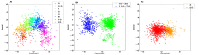 Drs. Senger, Robertson and colleagues were among the first to recognize that objective assessment of organ viability could increase the supply of transplantable organs by decreasing the needless discarding of potentially transplantable organs. Their Team applied Rametrix® molecular fingerprinting to determining organ quality (Figure), here illustrating that the molecular fingerprints of perfusion preservation fluid could be used to optimize conditions of preservation, such as preservation temperature and perfusion fluid device pressures. [Links:below]
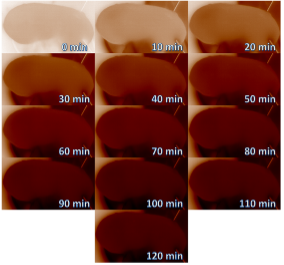 This Team also developed and tested sensors and methods, including ex vivo thermal imaging (Figure), for dynamic assessment of organ viability, as demonstrated in peer-reviewed publications. (Zu et al 2015; O’Brien et al 2017; Singh et al 2017; Gao et al 2018; Gao et al 2018; Lan et al 2018; Lan et al 2021; Lan et al 2023)