
As of March 31, 2025, there are 7,556 dialysis centers in the U.S., treating over 500,000 patients with hemodialysis or peritoneal dialysis. The breakdown of treatment methods shows that about 433,400 patients are treated in-center, 78,400 at home, and a smaller number in skilled nursing environments (https://www.matthews.com/market_insights/dialysis-centers-2025-update).
Dialysis therapy sustains the lives of ESRD patients. Without regular hemodialysis (2-4 times weekly, about 4 hours per treatment), these patients become critically ill and die. Hemodialysis patients (HD) are fragile. About a fifth of HD patients die within one year of starting treatment and more than half (50%) of HD patients die within five years. While on HD treatment, patients may be too ill to work, enjoy a normal lifestyle, and endure the persistent effects of ESRD and the HD treatments. Many HD patients have or develop cardiovascular problems. Clearly, HD is, at best, an imperfect therapy in need of improvement.
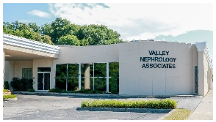 The RTI Team, working with community-based nephrologists, has focused on detection of ESRD (Senger et al 2020) and ways to improve dialysis therapy using Rametrix® sensing technology for monitoring dialysis treatments (Xu et al 2021; Xu et al 2021).
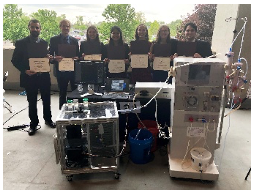 The RTI Team has incorporated Rametrix® sensing technology as a key component of a medical device system for improving hemodialysis – termed “PHD – Precision Hemodialysis”. This system senses the progress of HD treatment and also uses advanced engineering techniques to minimize treatment time and use of expensive, ultrapure dialysate water.